Insomnia
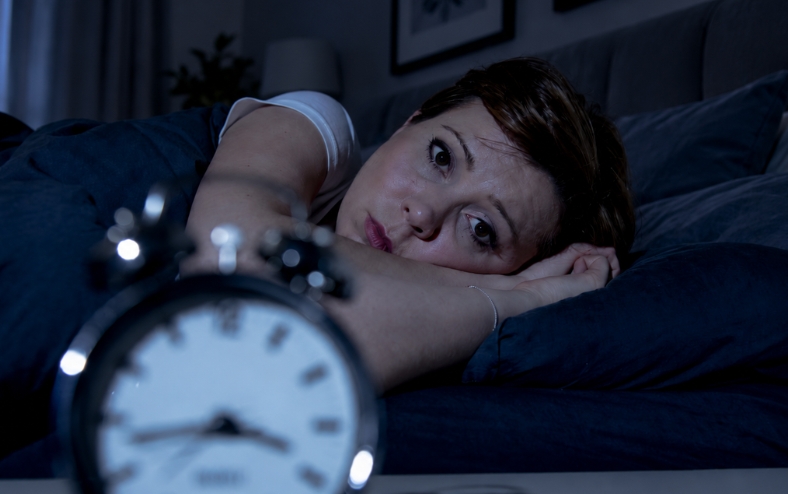
Difficulty falling or staying asleep can interfere with daytime life. It can be short-term or persistent and is more common in women.
Learn what healthy sleep looks like, which habits can help, and why persistent sleep concerns deserve attention.
Sleep affects how you feel, think, and function. Persistent difficulty sleeping is worth discussing with a clinician.
Difficulty falling or staying asleep can interfere with daytime life. It can be short-term or persistent and is more common in women.
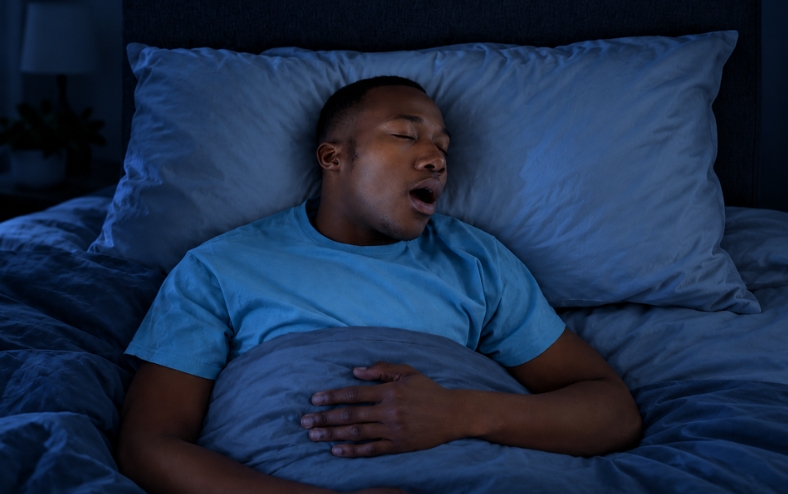
Repeated breathing interruptions can disturb sleep without you realizing it. Snoring, gasping, or unexplained sleepiness can be reasons for evaluation.

Narcolepsy can cause significant daytime sleepiness and other sleep-related symptoms. A specialist evaluation helps distinguish it from other causes of sleepiness.
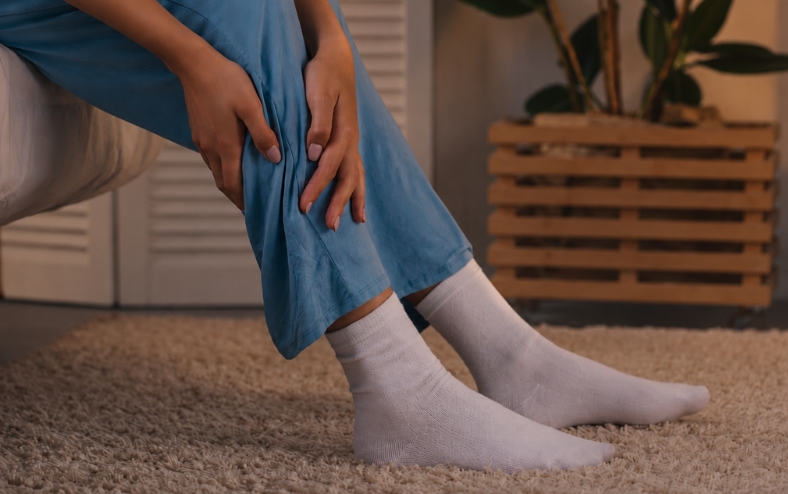
Uncomfortable leg sensations and an urge to move can disrupt rest. Symptoms often occur in the evening, and pregnancy can worsen them in some people.
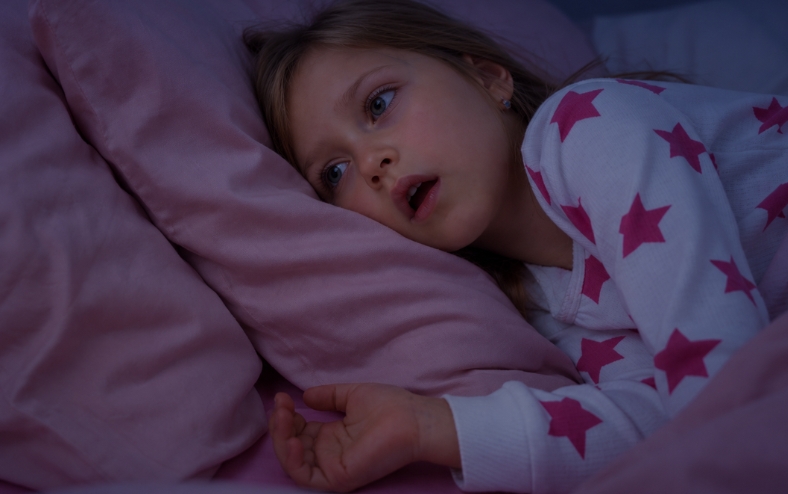
Children can have sleep apnea and other sleep concerns. Sleepwalking and night terrors also occur in childhood; discuss frequent, disruptive, or unsafe episodes.

Sleepiness reduces alertness and reaction time. If you feel drowsy, do not drive. Recurrent sleepiness deserves assessment, even when you spend enough time in bed.
Sleep needs change with age. These CDC recommendations are daily totals; younger children’s totals include naps.
Hours matter, but so does sleep quality. Regularly waking unrefreshed is a reason to talk with your care team.
Discuss your sleep| Age | Sleep |
|---|---|
| 0–3 months | 14–17 hours |
| 4–12 months | 12–16 hours |
| 1–2 years | 11–14 hours |
| 3–5 years | 10–13 hours |
| 6–12 years | 9–12 hours |
| 13–17 years | 8–10 hours |
| 18–60 years | 7+ hours |
| 61–64 years | 7–9 hours |
| 65+ years | 7–8 hours |
Build a routine that supports sleep throughout the day. These habits can help, but persistent insomnia or breathing problems may need specific treatment.
Get up at a consistent time, including weekends. Allow enough time for sleep and go to bed when sleepy.
Be physically active regularly. If naps make nighttime sleep harder, limit them; adults who nap can try a short nap earlier in the afternoon.
Avoid caffeine late in the day and nicotine near bedtime. Avoid heavy meals and alcohol close to sleep; alcohol is not a sleep aid.
Use the hour before bed for quieter activities. If intense late exercise keeps you awake, move it earlier. Give screens a break before bedtime.
Keep the bedroom dark, quiet, comfortably cool, and relaxing. Reserve the bed for sleep and intimacy rather than work or prolonged wakefulness.
Research links disrupted sleep and sleep apnea with several health concerns. An association does not mean everyone will develop the condition or that sleep treatment alone will resolve it.
Untreated sleep apnea is linked with difficult-to-control blood pressure and increased stroke risk. Discuss sleep symptoms as part of your cardiovascular care.
Sleep apnea and atrial fibrillation can occur together. Sleep evaluation may be relevant to your care plan; treatment effects vary between individuals.
Sleep apnea is associated with type 2 diabetes, and obesity is a risk factor for obstructive sleep apnea. Care should consider both sleep and metabolic health.
Changes in sexual function or desire have many possible causes. Mention sleep difficulties alongside these concerns so your clinician can assess the full picture.
Disrupted sleep can affect daytime attention and behavior. Symptoms can overlap with other conditions, so a sleep concern should not be assumed to explain an ADHD diagnosis.
Waking to urinate can occur with sleep apnea but also has other causes. Tell your clinician how often it happens and whether you also snore or feel sleepy.
Insomnia and depression can occur together and affect one another. A plan may need to address both sleep and mental health concerns.
Practical answers to help you decide when to seek more guidance.
Ask our teamNo. Time awake in bed does not count as sleep. Repeated awakenings and unrefreshing sleep also matter, even when your nightly schedule allows enough hours.
No. Snoring alone does not diagnose sleep apnea. Frequent loud snoring, gasping, observed breathing pauses, or daytime sleepiness are reasons to ask about evaluation.
No. Healthy habits support sleep, but conditions such as sleep apnea, narcolepsy, or persistent insomnia may need a specific evaluation and treatment plan.
Not necessarily. Naps are part of normal sleep for younger children. For adults, long or late naps may interfere with nighttime sleep. Advice also depends on your diagnosis and treatment plan.
Seek an evaluation for persistent difficulty sleeping, loud snoring with breathing concerns, uncomfortable restless legs, or daytime sleepiness that affects your activities. Do not drive when sleepy.
Yes. Poor sleep may contribute to irritability, activity changes, or difficulty concentrating. These symptoms have multiple possible causes and need an age-appropriate assessment.
If sleep concerns are affecting your nights or days, our team can help you understand what may be happening and explore your next step.