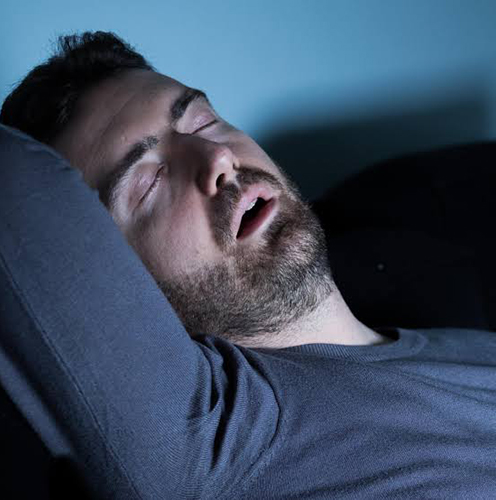
Weight & airway tissue
Extra tissue around the upper airway can contribute to narrowing and vibration during sleep. Snoring is more common in people who are overweight.
Please fill out the form below and we will get back to you as soon as possible.

Contrary to popular belief, Lorem Ipsum is not simply random text. It has roots in a piece of classical Latin literature from 45 BC, making it over 2000 years old.
Expert evaluation and personalized treatment for snoring and sleep apnea at Houston Sleep Health.
Almost everyone snores at one time or another. It can affect people of all ages, including children. The sound develops when air moves through a narrowed upper airway and causes relaxed tissues at the back of the throat to vibrate.
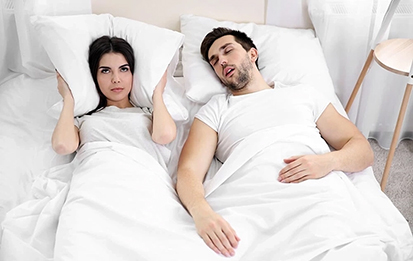
Occasional snoring and ongoing, disruptive snoring are not the same experience. Snoring can disturb your rest, affect your sleep partner, and sometimes be a warning sign of obstructive sleep apnea.
At Houston Sleep Health, Dr. Raj Kakar and our team look beyond the sound to understand what is happening with your breathing while you sleep. An evaluation helps guide the next step in your care.
Discuss your snoring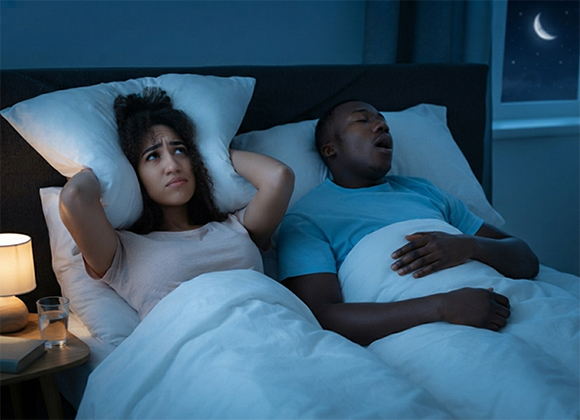
Start with the cause. Reducing the sound alone does not establish whether an underlying breathing disorder has been treated.
Several factors can influence the space available for airflow during sleep. Understanding your symptoms and health history helps us decide what to investigate.
Extra tissue around the upper airway can contribute to narrowing and vibration during sleep. Snoring is more common in people who are overweight.
A blocked or congested nose can make breathing during sleep more difficult and increase the likelihood of snoring.
Snoring patterns can change as we get older, and snoring can run in families. Your personal and family history are part of the assessment.
Snoring may begin or increase during pregnancy. Let your healthcare team know about new or worsening snoring, especially with other sleep symptoms.
Arrange an evaluation if snoring disrupts your sleep or your partner’s rest, or if you suspect sleep apnea. Sleep apnea causes repeated interruptions in breathing during sleep; snoring alone cannot confirm or rule out the diagnosis.
Frequent snoring in a child can be a sign of sleep-disordered breathing. Discuss your concerns with the child’s healthcare provider or a sleep specialist rather than assuming it is harmless.
Snoring and disrupted sleep can go together with headaches, difficulty concentrating, fatigue, and reduced performance at work. A bed partner’s sleep may be affected as well.
It is especially important to identify obstructive sleep apnea when it is present. The concern extends beyond noise: untreated sleep apnea is associated with cardiovascular health risks.
Our goal is to understand both your sleep and your overall health, then help you choose an appropriate treatment plan.
Bring up tiredness, unrefreshing sleep, or changes in how you feel during the day. These details help complete the picture.
Observations from a partner, including snoring patterns or pauses in breathing, can be useful during your evaluation.
Your evaluation begins with a conversation. Our five-step approach brings together your history, appropriate testing, treatment choices, and ongoing follow-up.
Not everyone needs the same test or treatment. Each step helps us understand what is right for your situation.
Start your evaluationWe review your background, symptoms, health history, and concerns. Tell us how snoring affects you and whether your partner has noticed breathing changes.
When indicated, sleep testing helps confirm a diagnosis. Your clinician will discuss whether a home sleep apnea test or an in-lab study is appropriate.
We explain the available options and discuss how they fit your diagnosis, preferences, and daily life so you can make an informed choice.
You begin the recommended treatment with guidance from the team. Treatment starts before the final follow-up step of the program.
We review your progress, monitor snoring and sleep, and address treatment challenges. Follow-up helps us determine whether adjustments are needed.
The right approach depends on the cause of your snoring and whether sleep apnea is present. We explain your options and help you choose care that addresses your breathing as well as your symptoms.

For some patients, sleeping on the side, limiting alcohol, and addressing nasal obstruction may help. Your clinician can discuss which changes suit your situation.

When weight contributes to airway narrowing, a personalized weight-management plan may form part of your care. This is considered alongside any treatment needed for sleep apnea.
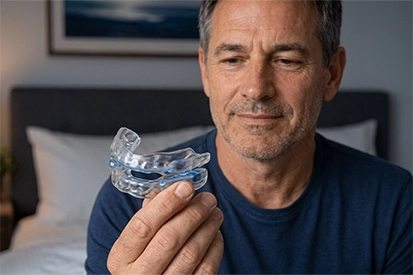
A custom oral appliance may be an option for selected patients with snoring or obstructive sleep apnea. Assessment and follow-up help determine whether it is suitable and effective.
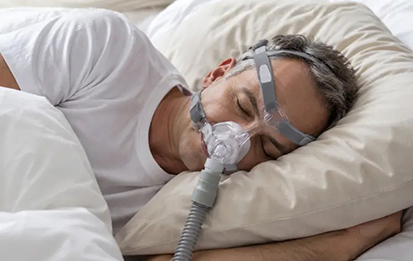
If testing identifies sleep apnea, positive airway pressure may be recommended to help keep the airway open during sleep. The team can guide you through the available PAP options.
Selected patients with obstructive sleep apnea may be considered for other approaches, including hypoglossal nerve stimulation or surgical assessment. Eligibility depends on individual findings.

Some patients benefit from more than one approach. Your treatment plan and follow-up are tailored to your diagnosis, comfort, and response to care.
Dr. Kakar and the team schedule follow-up appointments to review your snoring and your response to treatment. These visits are an opportunity to ask questions, discuss comfort, and make appropriate adjustments.
If you use sleep equipment, bring it to follow-up visits as requested. Reviewing the available treatment data helps the team evaluate your results.
Speak with our teamNo. Snoring can occur without sleep apnea, but it can also be a warning sign. Symptoms such as gasping, witnessed breathing pauses, or daytime sleepiness make a clinical evaluation particularly important.
Yes, it is reasonable to discuss it. You may not hear your own snoring, and your partner may notice patterns or breathing changes that help guide your evaluation.
That depends on your symptoms and clinical assessment. The team will explain whether testing is needed and which type is appropriate for you.
Yes. A treatment that makes snoring quieter does not necessarily treat obstructive sleep apnea. Identifying the cause and checking the response to treatment are important parts of care.
Bring any sleep equipment requested by the team, along with questions and observations about your symptoms. Treatment data and your experience help guide the next step.
Snoring is common. Understanding its cause can help you find the right care. Talk with our team about your symptoms and your next step.