01 / MONITORING
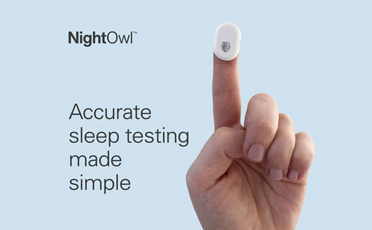
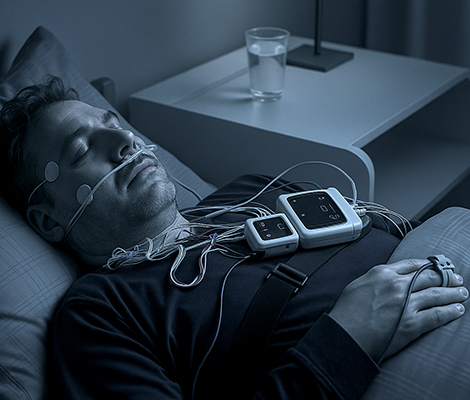
Finger sensor
May record pulse and blood oxygen.
Please fill out the form below and we will get back to you as soon as possible.

Contrary to popular belief, Lorem Ipsum is not simply random text. It has roots in a piece of classical Latin literature from 45 BC, making it over 2000 years old.
Snoring, waking up gasping, or feeling tired throughout the day? Begin your sleep evaluation in a place that feels familiar.
At Houston Sleep Health, your questions are the starting point.
Tell us about your nights, your energy, and what better sleep would mean for you. We’ll help you understand the next step in your sleep evaluation.

Home sleep testing uses prescribed equipment to record overnight signals. Your provider selects the device that fits your evaluation.
May record pulse and blood oxygen.
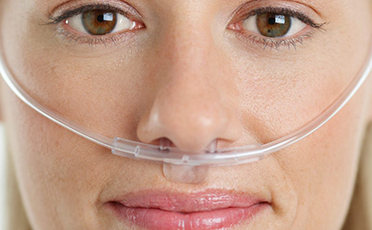
Nasal tubing may track breathing airflow.
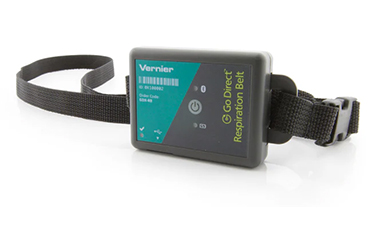
A chest band may record respiratory effort.
Ask our Houston team about setup support, pickup, and available delivery arrangements.
A thoughtful testing experience begins with the right fit for your needs.
Contact UsRest in your own bed, in your usual surroundings.
Follow the instructions provided for your device.
Home testing can help evaluate suspected sleep apnea in suitable adults.
Discuss scheduling, authorization requirements, and result timing with our team.
A clear sequence, with space for your questions along the way.
Receive your equipment and learn how to attach the sensors. Ask about anything that feels unclear.
Use the device for the number of nights your provider prescribes, following the supplied instructions.
Follow the return or disposal instructions for your specific device.
Discuss the findings and what they mean for your care. Confirm your follow-up timing with the team.
When testing needs to move beyond home, know what comes next.
Ask about required approvals before your study.
Find out what to expect before you arrive.
Understand how your results guide the next conversation.
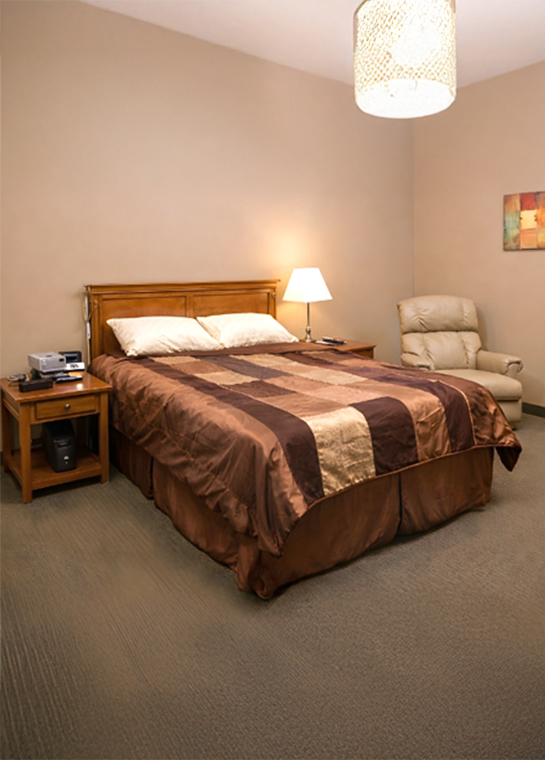
In-lab testing may be recommended when symptoms are complex or a home test does not provide enough information.
Records brain waves, breathing, oxygen, heart rate, and movement.
Your medical history helps determine the right test.
Trained staff observe the study and can assist you.
A lab study can help investigate other sleep disorders.
A night away from home can feel unfamiliar. Here is a guide to the usual flow of an overnight study.
A different setting.
The same goal: better sleep.
A sleep study records your body’s signals while you rest. Tell the team about any worries before your visit.
Confirm your arrival time. The staff will explain the evening’s schedule and help you get settled.
Bring comfortable sleepwear and personal essentials. Ask the team for a packing list.
Check meal and snack guidance with your care team before arriving.
Sensors are attached to record your sleep. Let staff know if you need help getting comfortable.
The team monitors your sleep and breathing overnight. You can ask for assistance if needed.
The sensors are removed in the morning. Confirm when and how your findings will be reviewed.
Before scheduling, contact Houston Sleep Health to confirm insurance participation, coverage requirements, and available self-pay pricing.
Discuss coverage and costStill have a question?
Start a conversation with our team.
A portable device records selected overnight breathing signals. The measurements depend on the equipment prescribed.
It is an option for selected adults following a clinical assessment. A sleep clinician interprets the recording alongside your symptoms and history.
A standard home test may miss subtler breathing disturbances. Ask your specialist whether a more detailed study is needed.
Your provider may recommend additional evaluation, including an in-lab study. Persistent symptoms deserve follow-up.
Children need an age-appropriate sleep evaluation. Home sleep apnea testing is not routinely recommended for pediatric diagnosis.